What Is Ultra-Processed Food?
My first love came in a yellow plastic tray.
It was the summer of 2006. I was seven years old, visiting my dad in Orlando after my parents’ divorce. He’d never had to pack lunches before, so when camp rolled around, he did what a lot of single, overworked parents did. He bought us Lunchables.
As a kid, a Lunchable was like a treasure chest. Tiny crackers, a few slices of ham, a square of cheese that never melted - plus a Capri Sun and a Reese’s Cup. Compared to brown bags and thermoses, a Lunchable was shiny and cool. As a kid over 2,000 miles away from my mom’s home-cooked meals, that tray brought some solace.
What I didn’t know then was that my Lunchable was the product of a food company in crisis. In the 1980s, red meat was under attack, bologna was falling out of favor, and Oscar Mayer - recently acquired by tobacco giant Philip Morris - needed a way to rebrand meat for the modern family.
Their solution offered busy parents a promise: we’ll take lunch off your plate. Using a mix of focus groups, food science, and marketing genius, they created a factory-made meal engineered to be shelf-stable, hyper-palatable, and irresistibly convenient. When Lunchables hit the market in 1988, they were an instant hit. Sales exceeded $200 million in the first 12 months.
Over the next two decades, Lunchables evolved from a time-saver into something else entirely. Soon, they added candy and sugary drinks. Then, they introduced “Maxed Out” versions that upped the calories by 40%. By the time I was opening mine in 2006, one tray could contain nearly an entire day’s worth of saturated fat, sodium, and sugar for a child. But none of that crossed our minds. It made life easier.
That’s the genius and the danger of ultra-processed food. It solves a problem. It becomes part of our daily lives long before we stop to ask what it’s made of, or why it exists.
Ultra-processed foods are everywhere - and not just in the form of chips and soda. They now make up more than half of what Americans eat. But most of us would have a hard time explaining what they actually are. If we’re going to talk about how food affects our bodies, minds, and communities, we need to understand what we’re eating.
When Carlos Monteiro first coined the term “ultra-processed food,” or UPF, his idea was a major departure from traditional nutrition thinking. Instead of focusing on how many grams of fat or sugar are in a food, Monteiro argued we should focus on how that food is made. The more industrial processing it goes through, he argued, the more likely it is to harm our health.
Monteiro and his research team developed the NOVA classification system, which organizes foods based on the extent and purpose of their processing. NOVA has since become the most widely used method for understanding food processing in global nutrition research. It includes four categories:
Group 1 is made up of unprocessed or minimally processed foods - things like fruits, vegetables, plain yogurt, dry beans, and whole grains.
Group 2 consists of processed culinary ingredients like oils, butter, sugar, and salt, which are typically used to season or cook the foods in Group One.
Group 3 is processed foods, such as cheese, canned beans, pickled vegetables, or fresh bread. These are usually made by combining foods from Group One with ingredients from Group Two to increase flavor or shelf life.
Group 4 is ultra-processed foods. These aren’t just foods that have been preserved or cooked. They’re industrial formulations of ingredients that go far beyond what you’d use in a home kitchen. Ultra-processed foods often include things like high-fructose corn syrup, hydrogenated oils, artificial sweeteners, emulsifiers, flavor enhancers, colorings, and other additives. They go through multiple industrial steps and are usually assembled in factories rather than kitchens.
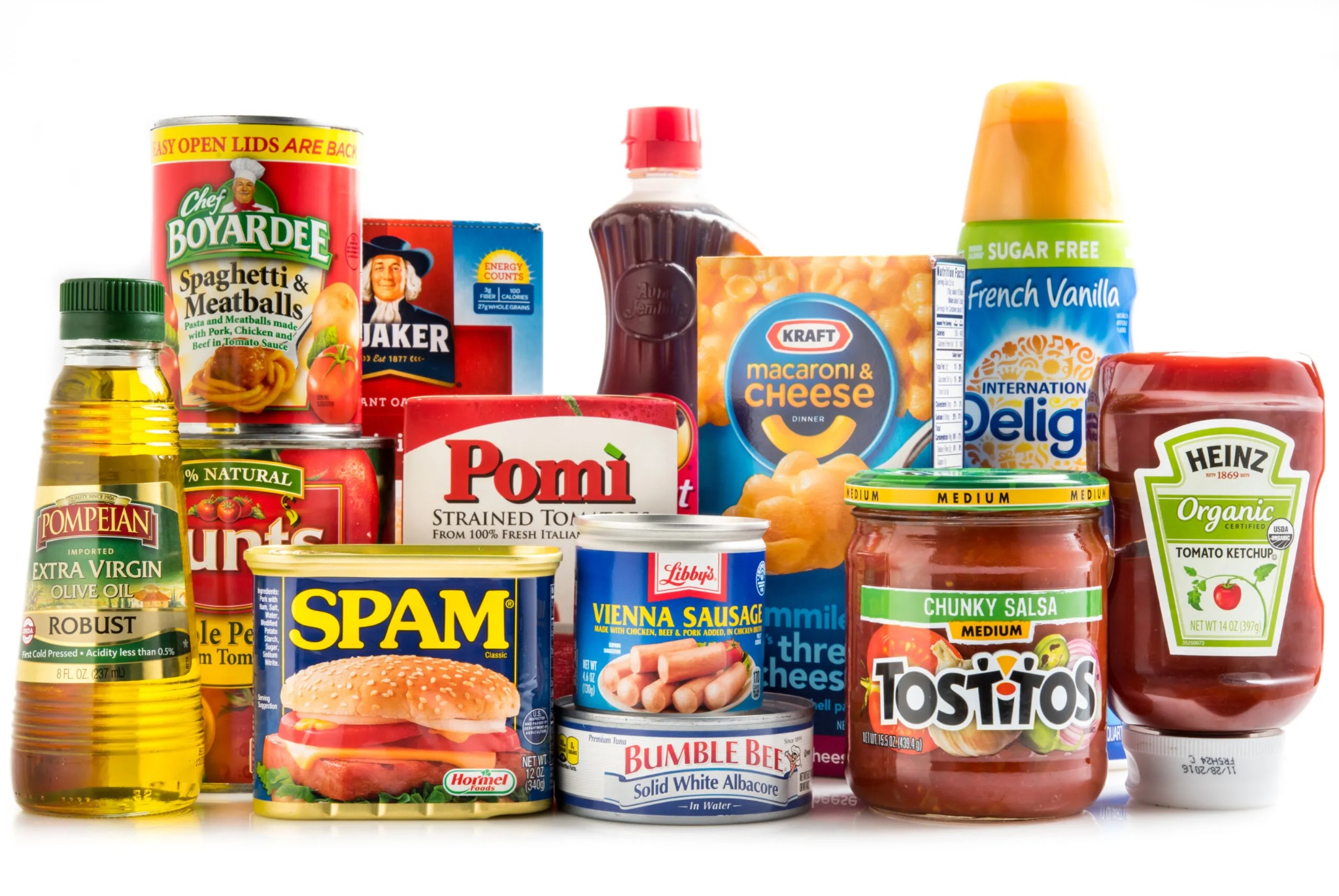
Some common examples of UPFs include sodas, energy bars, frozen pizzas, instant noodles, and most packaged breakfast cereals. These foods are typically designed to be ready-to-eat, aggressively marketed, and engineered to be consumed quickly and in large amounts. Monteiro has described them as "habit-forming" by design.
Nutritionally, ultra-processed foods are usually high in sugar, unhealthy fats, and sodium. They’re also low in fiber, protein, vitamins, and minerals. But Monteiro argues that what really sets them apart is not just what’s in them. It’s how they’re made to hit the pleasure centers of our brain. They’re often hyper-palatable and easy to overeat, which makes them especially risky for people dealing with issues like substance use, trauma, or depression. When you're already depleted, overwhelmed, or emotionally dysregulated, the quick dopamine hit from these foods can feel like relief, until it isn’t.
So how do you know what’s ultra-processed? Here are a few rules of thumb, according to Monteiro’s research:
Check the ingredient list. If there are more than 5-7 ingredients, and you don’t recognize or can’t pronounce some of them, it’s likely a UPF.
Look for “extras.” Additives like artificial colors, emulsifiers, preservatives, and flavor enhancers are strong indicators.
Ask yourself: Could I make this at home with normal ingredients? If not, it probably belongs in Group 4.
Shelf life matters. If something can live in your cupboard for six months with no signs of decay, it’s been heavily processed to get there.
Still, it's not always black and white. Some ultra-processed foods are fortified with nutrients or medically necessary. Others are the only option in food deserts or for people managing illness, low energy, or low income. And some foods that feel whole, like green juice or plant-based meat, can be ultra-processed depending on how they’re made. That complexity is real, and we’ll dig into it later in the series.
In the next part, we’ll dive into the science behind that connection. What do ultra-processed foods actually do to your brain chemistry? And why are those of us in recovery often the ones who feel it most?
Post a comment