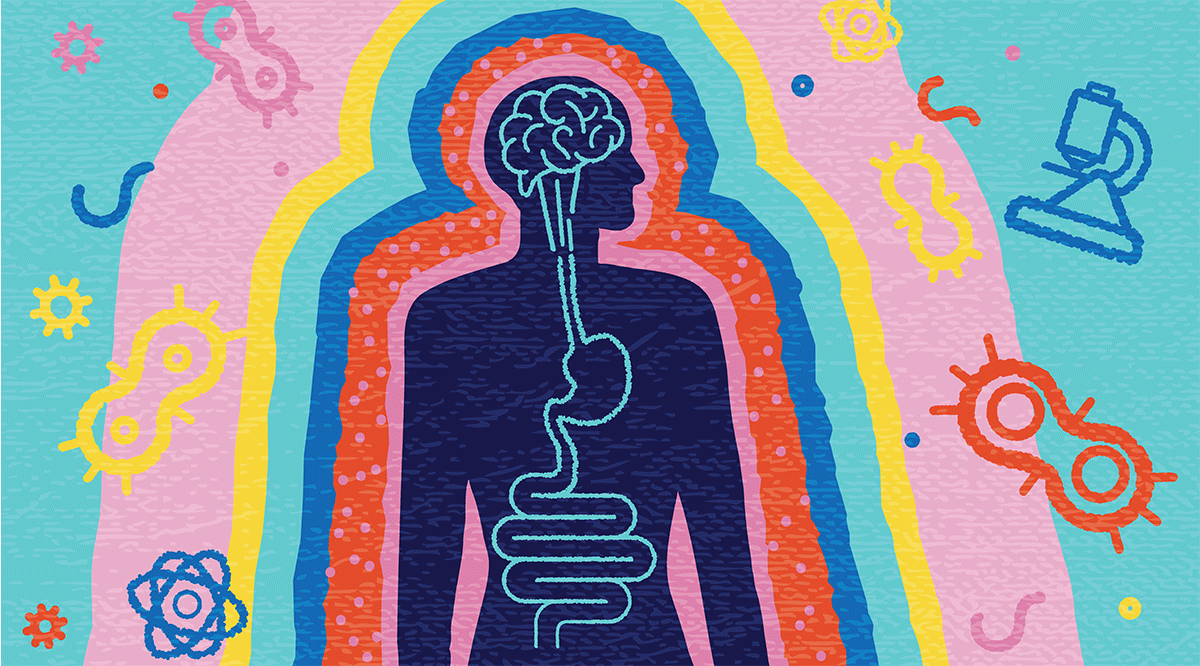
Bonus: The Gut-Brain Connection
Inside you is an ecosystem - an entire world populated by trillions of microscopic organisms. Most live in your large intestine, nestled along the mucus-lined walls or drifting in the digestive current. This community of bacteria, viruses, fungi, and parasites makes up what scientists call the gut microbiome, and it plays a far bigger role in your mental health than you might think.
Far from passive passengers, these microbes are in constant conversation with your brain via a network of nerves, hormones, immune signals, and metabolites known as the gut-brain axis. This axis links your central nervous system to your gastrointestinal tract through a two-way feedback loop. Your gut doesn’t just digest food. It helps regulate mood, memory, appetite, and emotion.
Many people with mental illness are familiar with this connection, even if they don’t have a name for it. Depression is often accompanied by changes in appetite or weight, and anxiety can trigger nausea, diarrhea, or abdominal pain. On the other side, gastroenterologists have long observed how stress, trauma, and psychological distress can trigger or exacerbate digestive disorders like irritable bowel syndrome and inflammatory bowel disease.
Researchers have identified notable differences in the microbiomes of people with psychiatric illnesses. However, findings are mixed on exactly which bacterial strains are involved. Some studies such point to particular microbes, like Firmicutes or Bacteroidetes, as more or less prevalent in people with mental health conditions. But the dearth of research suggests there’s no consistent “signature.”
What is clear is that the microbes in your gut aren’t just responding to your brain. They’re producing many of the same neurotransmitters that your brain uses to regulate thought and mood: serotonin, dopamine, norepinephrine, and GABA. The bacteria also influence the availability of tryptophan, the amino acid needed to make serotonin, and help regulate hormones like leptin, ghrelin, and insulin - all of which affect hunger, satiety, and emotional regulation.
This microbial activity produces a host of metabolic byproducts known as postbiotics. These travel from your gut to your brain through the bloodstream. They include amino acids (the building blocks for neurotransmitters), glucose (a fuel for brain function), and short-chain fatty acids (signaling molecules produced by fermenting fiber). Short-chain fatty acids, in particular, have emerged as a central player in brain health. They strengthen the blood-brain barrier, reduce neuroinflammation, and help modulate immune responses in the central nervous system.
But the integrity of the gut-brain axis depends on more than just your microbes. It also relies on two physical barriers: the intestinal lining and the blood-brain barrier. When these are compromised - by stress, infection, or poor diet - the result is increased permeability and systemic inflammation. This process, sometimes called “leaky gut,” can affect mood, cognition, and emotional regulation.
So, what happens when you introduce ultra-processed foods into this delicate system? UPFs are characterized by high levels of sugar, saturated fats, and synthetic additives. These ingredients can directly alter microbial balance, increase inflammation, and impair gut barrier function. Common additives found in UPFs - like emulsifies, artificial sweeteners, and food colorings - have been shown in animal models to disrupt the microbiome and increase intestinal permeability.
While no clinical trials have directly examined the effects of UPFs on the microbiome, observational studies are troubling. Diets high in processed foods are associated with lower microbial diversity and higher rates of depression, anxiety, and cognitive decline. Conversely, diets that emphasize whole foods, plants, and fermented products are linked to more robust microbiota and better mental health outcomes.
Interventions using psychobiotic diets - which emphasize prebiotic and probiotic-rich foods - have shown promising results. One randomized controlled trial found that a high-prebiotic diet improved mood, sleep, and anxiety in people with moderate psychological distress. Participants who consumed seven daily servings of soluble fiber (from foods like oats, garlic, onions, and legumes) reported meaningful reductions in stress - while probiotic supplements showed no measurable benefit.
Processed foods may be cheap and convenient, but they carry invisible costs, especially for those of us already navigating mental illness or recovery. When you understand how these foods affect your gut, it’s easier to see that your cravings aren’t just a matter of willpower. They’re biological. And the most powerful way to reclaim your brain might just begin with your plate.
Post a comment